
The network
Supercar rental on the French Riviera
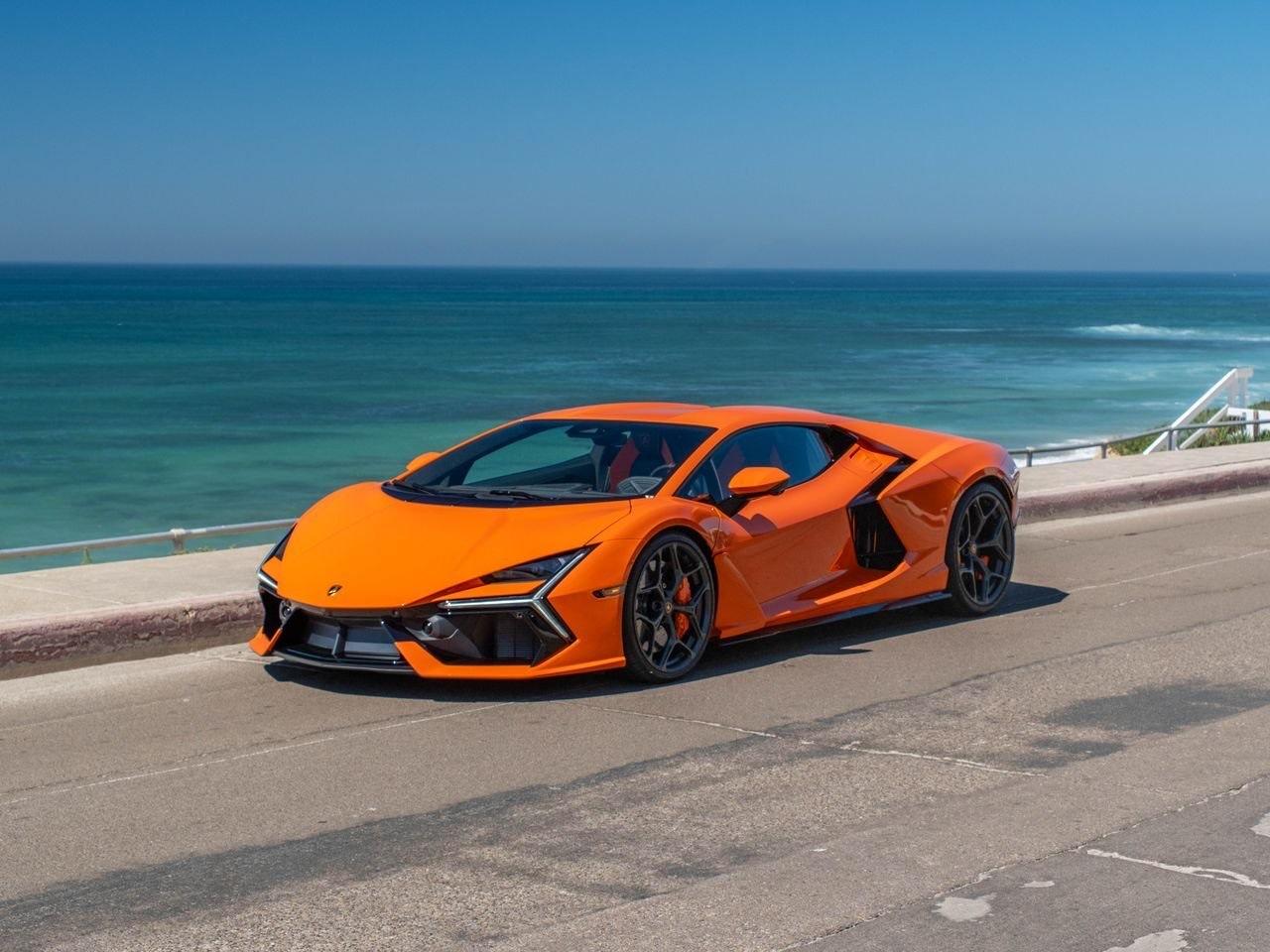
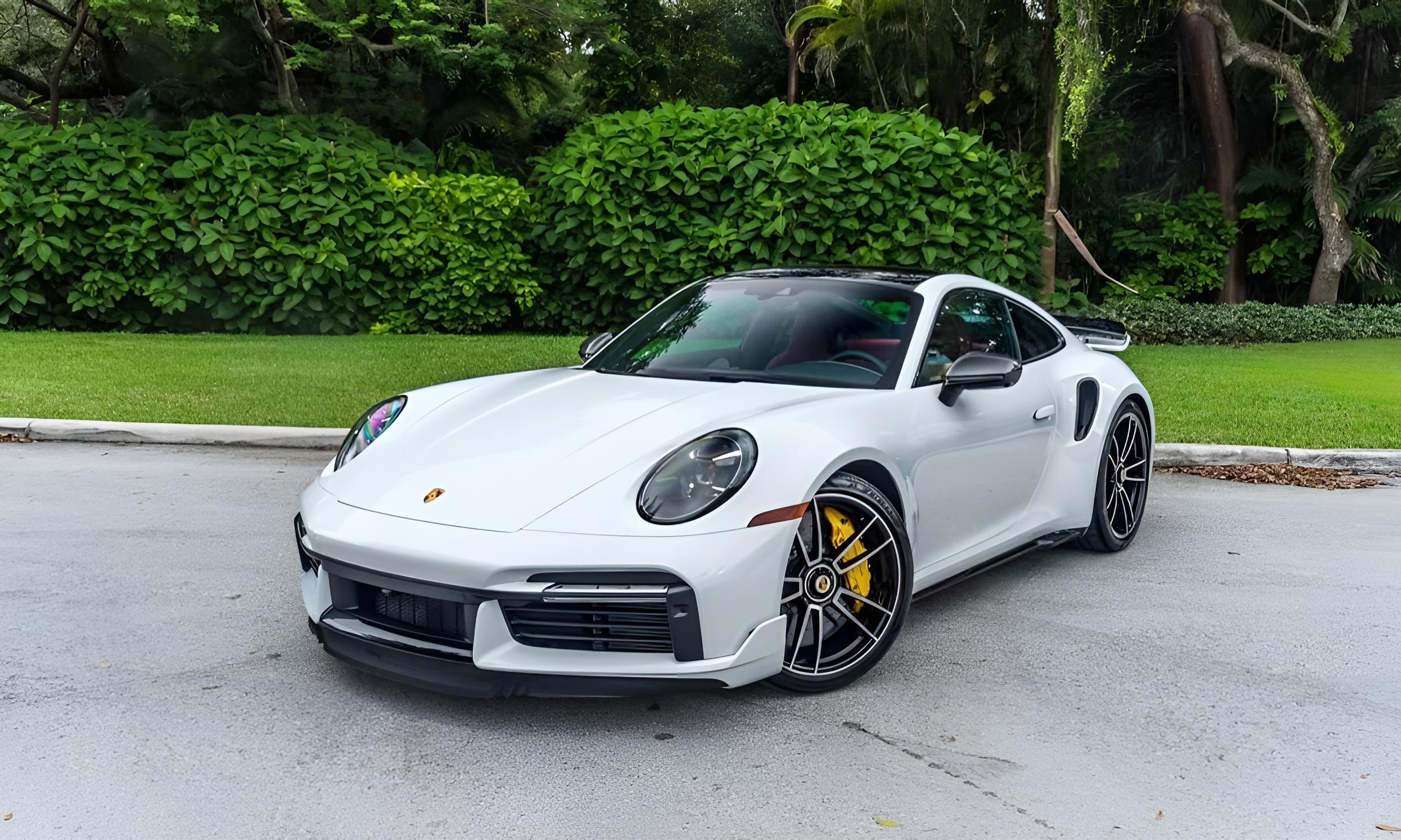
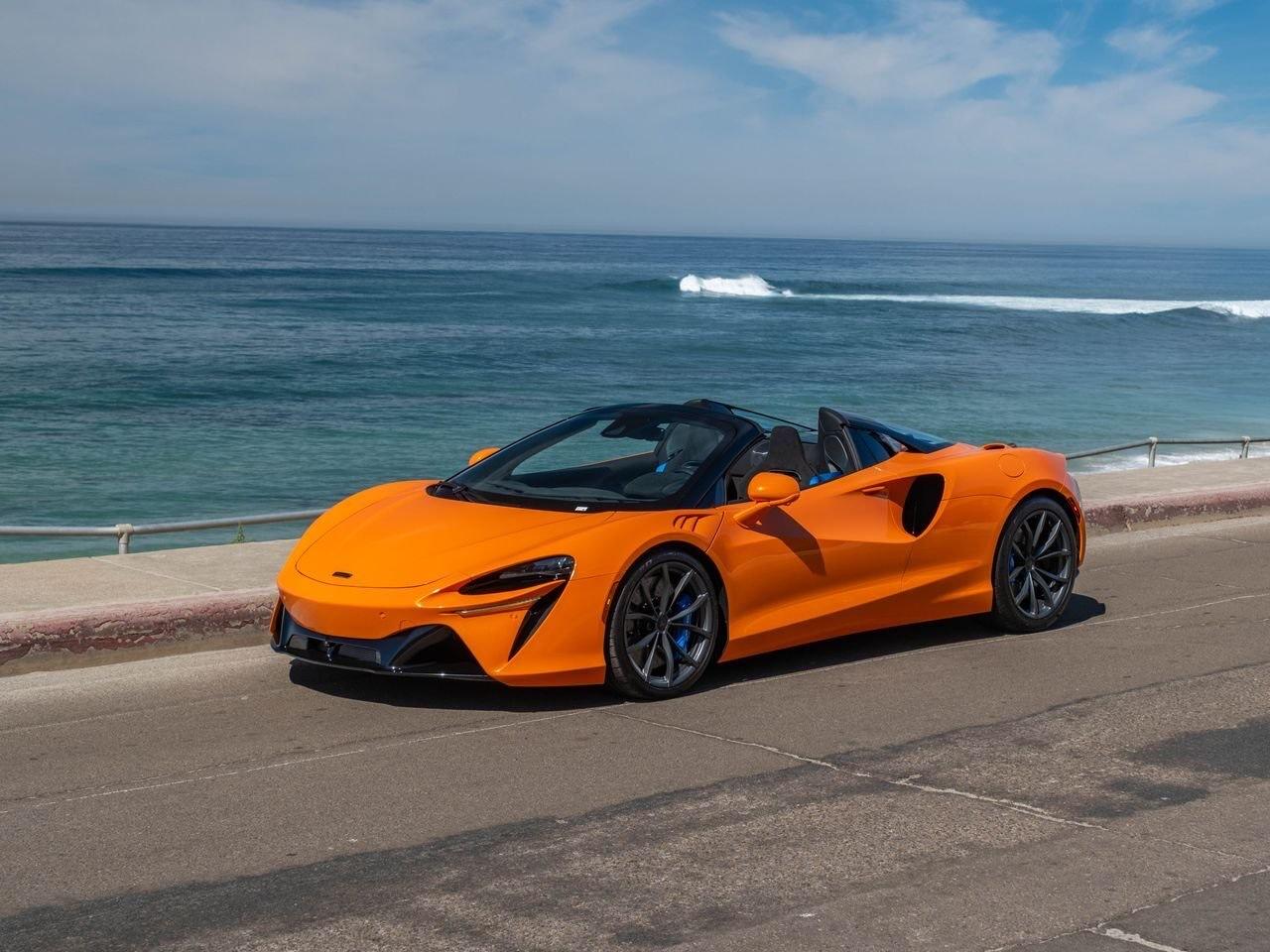
13 supercars between Saint-Tropez and Monaco. What seven hundred horsepower actually means on this coast is a question of speed bumps and underground car parks, not of top speed.
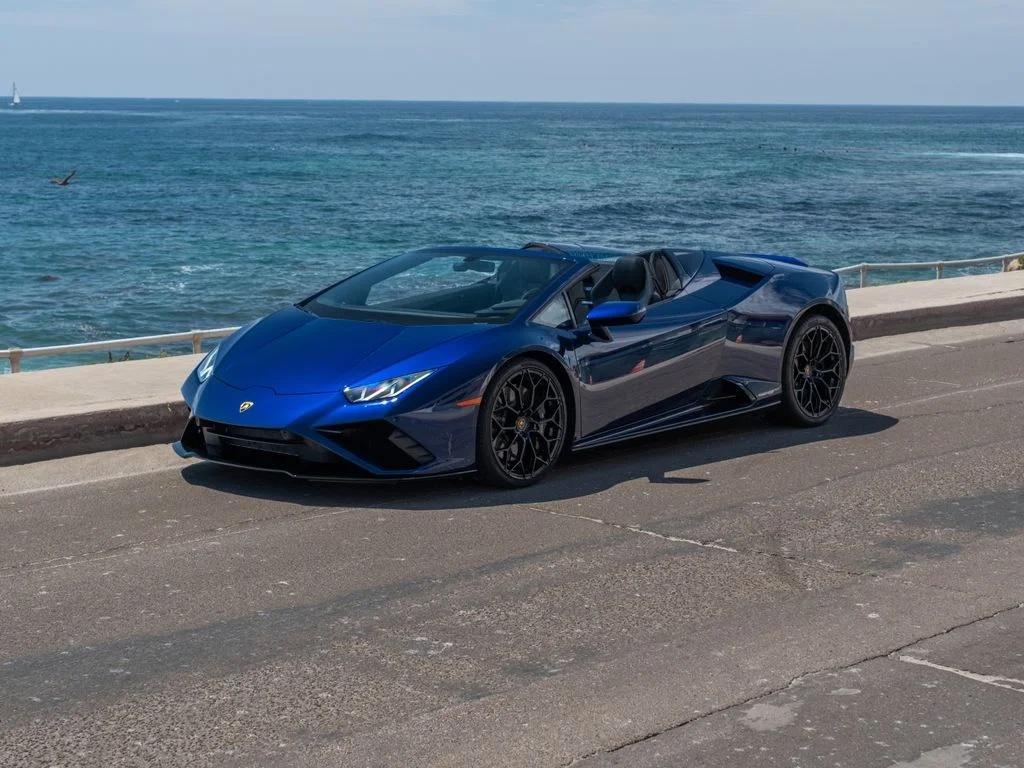
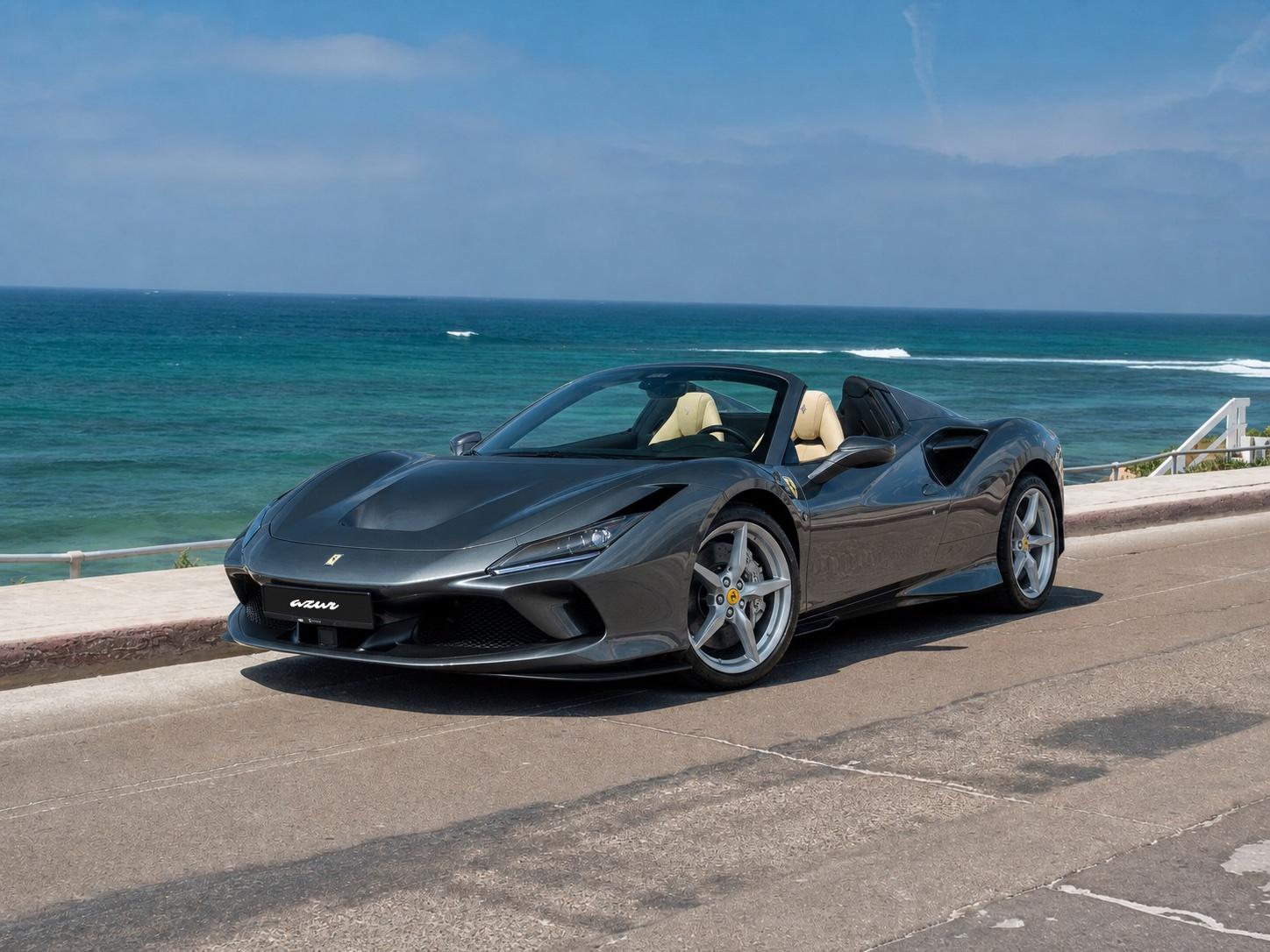
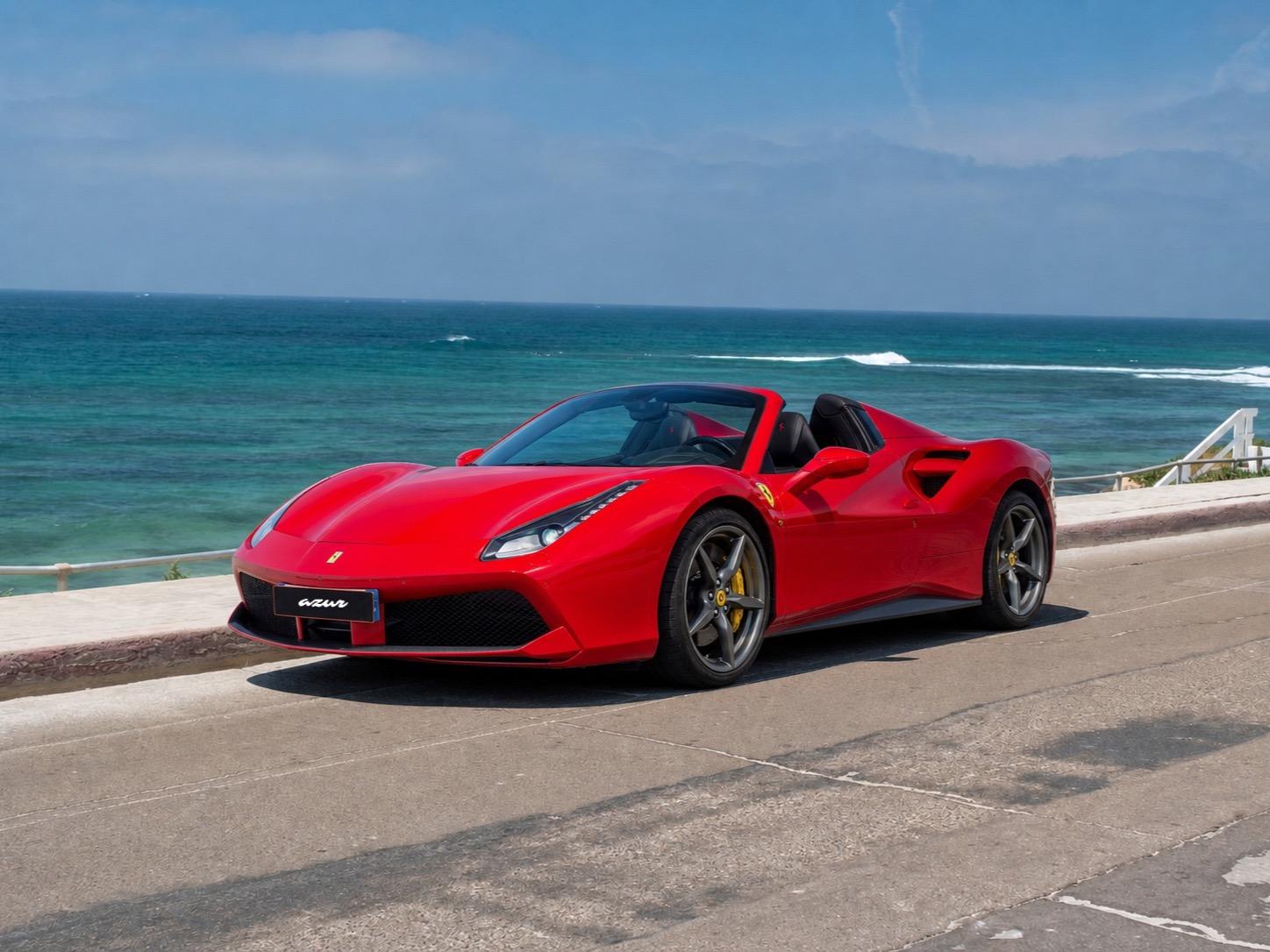
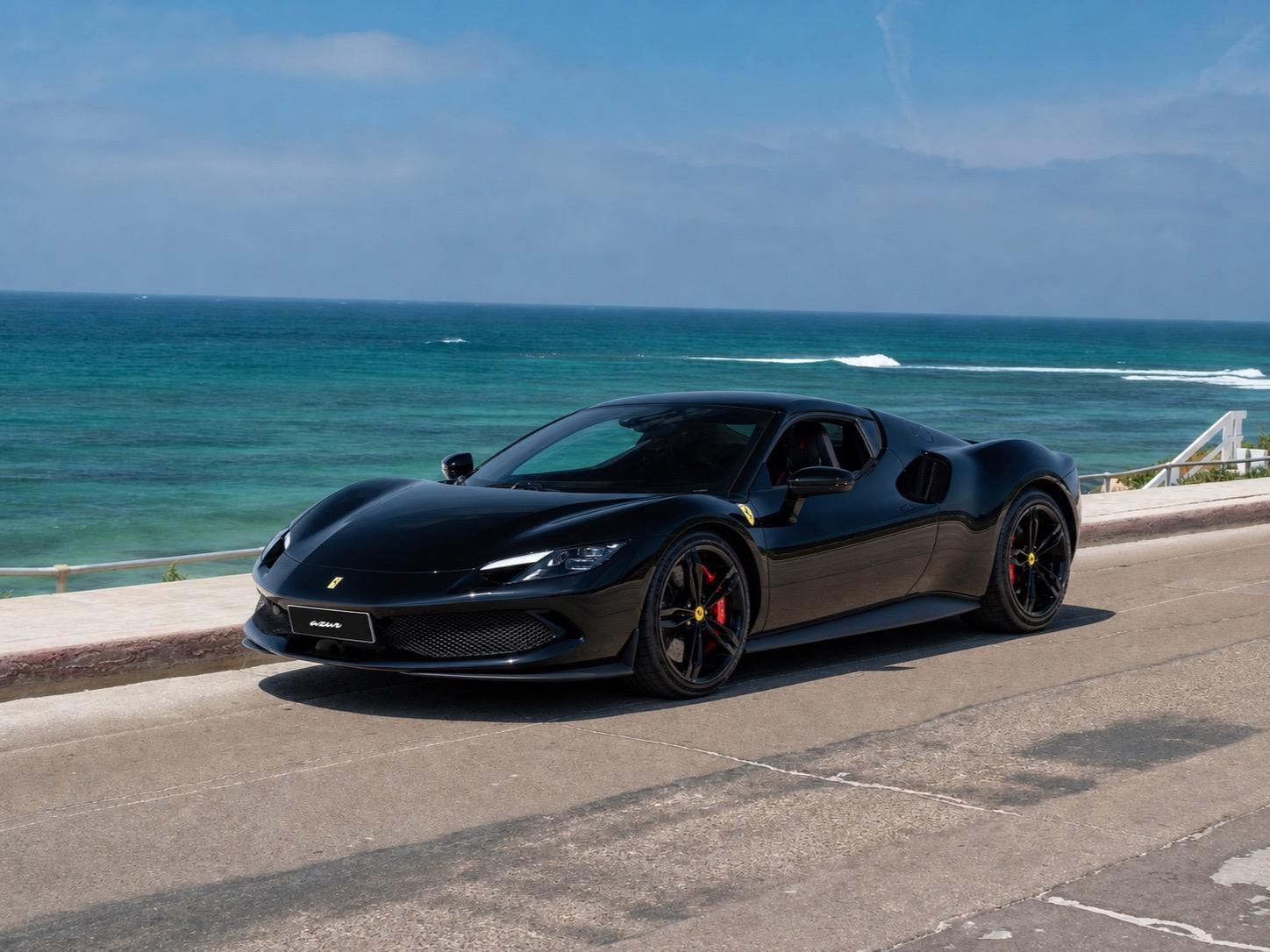
The road is short, and it is not where you think
The speed limit across the whole Principality of Monaco is 50 km/h, and 30 in places, over a territory you can walk end to end. A supercar in Monaco is an arrival, not a drive. That is not a complaint — an arrival is a perfectly good reason to take one of these cars, and we will arrange it without a word. It is a planning fact, and it decides where the interesting hour of your day actually happens.
The driving is inland and above. The Basse Corniche is the D6098, at the water. The Moyenne is the D6007, through Èze. The Grande is the D2564, over La Turbie, climbing to 512 m, and it carries on towards the Col de Braus. All of it is in France, and none of it is the coast road you will be shown in photographs.
Speed bumps are regulated, which tells you exactly where they are
This is the single most useful thing to know about running a low car here, and it comes straight out of a 1994 decree that almost nobody reads. Under décret 94-447 of 27 May 1994, a legal hump or trapezoidal bump may only be installed inside an agglomeration, on a section of road locally limited to 30 km/h or inside a zone 30. Its annexe then forbids it outright where annual average daily traffic exceeds 3,000 vehicles, on gradients steeper than 4 per cent, in bends of less than 200 m radius, within 25 m of a bridge or structure, on public transport and emergency service routes, and within 200 m of the agglomeration boundary. Article 1 of the same annexe adds that these bumps may not be isolated: where you meet one, there is a series.
Read what that describes. It is not the corniche and it is not the seafront. It is the residential lane, the hotel approach, the road up to a villa above Cannes — the last three hundred metres of every journey you will make. The main road is clear. The end of it is not.
One limit on that reassurance, and it is real. The decree covers two shapes, the hump and the trapezoid. Cushions, raised junctions and private-estate humps are other devices under other rules, and a private road answers to nobody's decree. So the honest version is that the law tells you where the legal ones are and says nothing about the rest.
Underground is where these cars get hurt
Every car park on this coast publishes a ceiling height. Cannes publishes 1.80 m under the Palais des Festivals. Nice publishes 1.85 m at P2 and 1.90 m at Corvésy and Palais de Justice. Monaco publishes a tariff break at 2.20 m. Not one of them publishes a ramp gradient or the height of the lip at the entrance, and on a car with a front splitter that is the only number that matters.
So we hand these cars over at surface level wherever the address allows it, and when it does not, we ask the operator about the specific car before agreeing to an underground meeting point. We would rather move the handover two hundred metres than watch a splitter meet a threshold. The ceiling data on this coast is excellent. The clearance data does not exist.
Where the car is not allowed at all
Monaco-Ville is closed, under article 9 of the municipal order of 2007, to every vehicle not registered in the Principality or in the Alpes-Maritimes. A car on an 06 plate drives up. The same model on 75, 13, 83 or foreign plates does not, absent a derogation from the Mairie.
Cannes draws a line down the middle of its old town. In Le Suquet, article 4-3 of the municipal order of 22 March 2024 writes taxis and private-hire vehicles in by name, with a permanent right of entry for the stop strictly necessary to collect a passenger, requested through the interphone at the zone entrance. Two hundred metres away, in the Meynadier perimeter, an order of the same date does not list them among the authorised categories at all. Two adjacent quarters, one street apart, two entirely different procedures.
And in Nice, the bollards come back up immediately behind each vehicle. You do not follow the car in front through, and you do not reverse. Anyone who has tried it in a car with that front overhang remembers it.
| Layout | Seats | Bags rated |
|---|---|---|
| Two-seat supercar | 2 | 1 |
| 2+2 supercar | 4 | 2 |
One bag
Almost everything on this page is rated for a single bag. Two people, one bag each, is already optimistic. An airport run for two with a week's luggage is not this car — it is this car plus a transfer, or this car plus a second vehicle, and we arrange both on the same request rather than making you discover the arithmetic in the arrivals hall at Nice.
Not every car on this page reaches all four cities either. The city links below show what each one actually has.
Spring in Monaco is a building site
Building the Grand Prix circuit takes six weeks, seven in a Historic Grand Prix year, and clearing it takes about three, with roads beginning to reopen at 18:00 on race Sunday. The 2026 race ran on Sunday 7 June, moved out of its traditional late-May slot by a municipal order of 5 May, and between 4 and 7 June the Quai des États-Unis, Boulevard Albert Ier, Avenue de la Quarantaine, Rue Grimaldi, Boulevard Louis II and Avenue J.-F. Kennedy were closed outright, along with four tunnels. Parking bans ran from 17:00 on 31 May to 8 June.
The consequence is not about race weekend. A port-side address in Monaco is compromised for a good part of spring, and the E-Prix in mid-May sits inside the same barrier season. If your address is down there in April or May, we will tell you before you book.
What we will not tell you is anything about vehicle access or accreditation during the Grand Prix itself. We have not sourced it to the organiser or to a Monegasque authority, and an operator who quotes you a rule he has not read is guessing with your evening.
Not in the Alps, and not by accident
No car in this category is delivered to an alpine resort. That is a decision, not a hole in the network. Savoie applies the winter equipment obligation to the whole department from 1 November to 31 March, and a rear-driven supercar on summer tyres cannot take chains — there is no clearance behind the wheel arch for them. The valley above Moûtiers is a poor place to establish that.
If the trip is alpine, the answer is on the SUV page, and it is a better answer than a compromise here.
When it is the wrong car
Nice to Saint-Tropez on 15 August: 120 km, a hundred minutes on a good day, a hundred and eighty on a bad one, most of it stationary on the D559. Three passengers. A week of touring with real luggage. Any address inside a bollarded old town where the car will spend six days parked and one hour moving.
And the honest one. At 50 km/h in Monaco, this car is doing nothing a saloon could not do. The reason to take it is that you want it, and that is a good enough reason on its own — we are not going to pretend otherwise. We would simply rather you spent the good hour on the Grande Corniche above La Turbie than in a tunnel under the Boulevard Louis II.
Frequent questions
How much does a supercar cost per day?
On request, confirmed at the quote. The rate depends on the car, the dates, the city and the duration, and it is set by the operating partner — as are deposit and mileage terms. We come back with a firm figure rather than publish an indicative one that moves.
Is there a minimum rental duration?
Some partners apply one, particularly in high season, and it varies by car and by date. It is confirmed at the quote. If your dates only allow a single day, say so — the answer is sometimes a different car rather than no car.
Can I collect the car at Nice airport?
Not at the Car Rental Center behind P5 — nothing we arrange is handed over there. The handover happens at the business aviation terminal beside Terminal 2, or the car is delivered to your villa, hotel or berth. That also works when your flight lands at 01:20.
Can I drive it into Monaco-Ville or the old towns?
Monaco-Ville is closed to any vehicle not registered in the Principality or in the Alpes-Maritimes — the plate decides, not the car. Cannes and Nice close their old towns with bollards under separate procedures. We settle the meeting point against the actual rules of your address before you book.
What about underground car parks and ground clearance?
Ceilings are published on this coast; ramp gradients and entrance lips are not, and on a car with a front splitter those are the numbers that matter. We hand these cars over at surface level wherever the address allows, and query the operator on the specific car before agreeing anything underground.